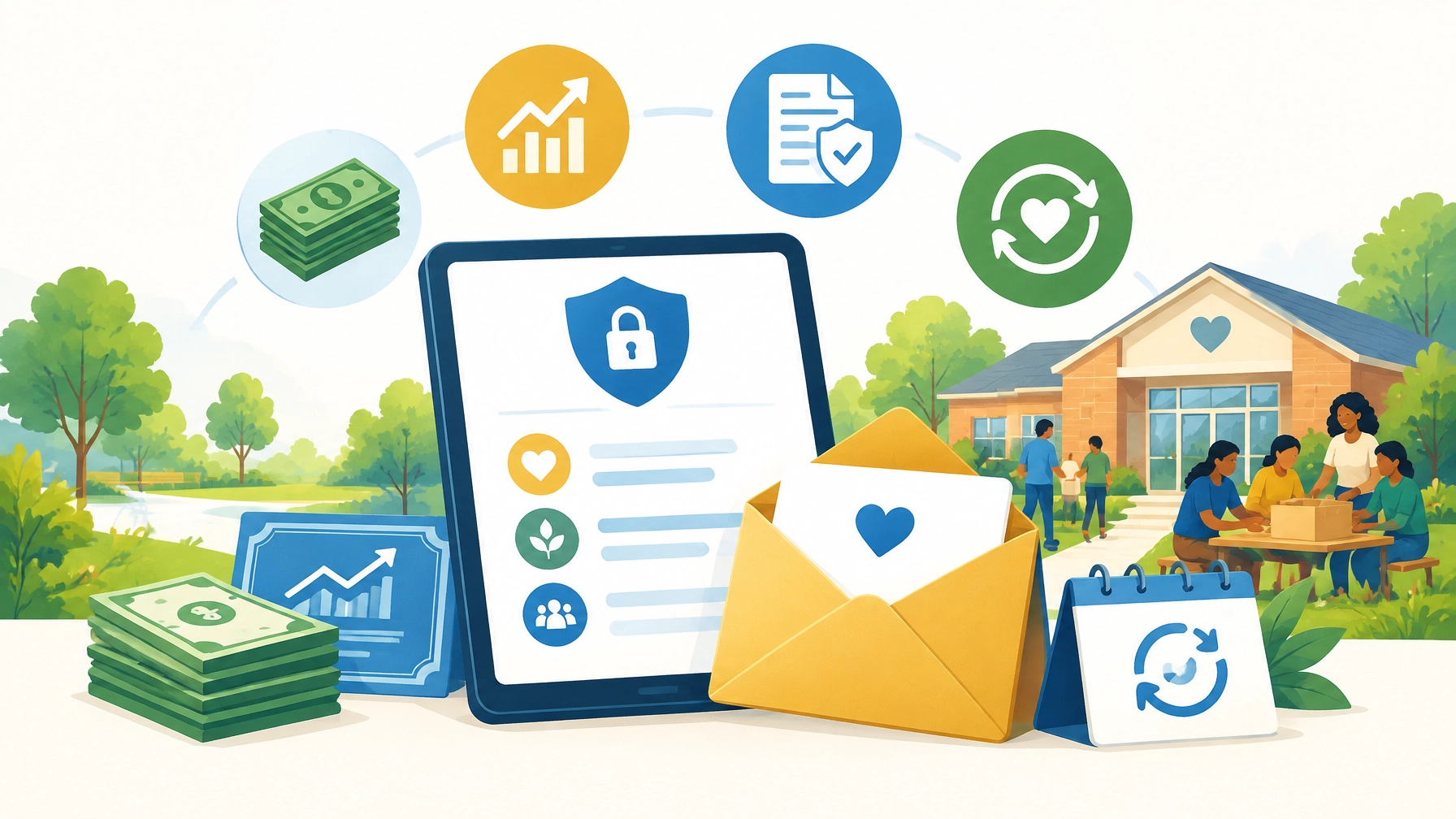

A successful fundraiser can generate important revenue, but a dependable sponsorship program creates something more valuable: an ongoing partnership. For small nonprofits, the difference between a one-time sponsor and a multi-year community partner depends on planning, communication, measurable results, and consistent relationship building.
Learning how to get sponsorships for a fundraiser requires more than sending a sponsorship letter before an event. Nonprofits must show businesses that their investment will produce clear community impact and meaningful visibility throughout the year.
The strongest sponsorship strategy begins before the first event and continues long after the final guest leaves.
Build the Sponsorship Program Around Retention
Many nonprofits design sponsorship packages around one event date. That approach can produce short-term funding, but it does not give a business a compelling reason to renew.
A retention-focused program should present sponsorship as a 12-month partnership. Instead of offering benefits only at one fundraiser, the nonprofit can combine event exposure with ongoing opportunities such as:
- Recognition on the nonprofit’s website
- Quarterly social media acknowledgments
- Inclusion in email newsletters, with permission
- Invitations to community programs and volunteer activities
- Business spotlights or partner interviews
- Opportunities to provide products, services, or employee volunteers
- Visibility at multiple events during the year
A nonprofit should create three or four clear sponsorship levels. For example, a $500 community sponsor, $1,000 supporting sponsor, $2,500 presenting sponsor, and $5,000 annual partner package can give local businesses practical choices.
Each level should define the exact benefits, delivery dates, and reporting measures. A sponsor should never have to guess what the organization will provide in return for the investment.
For more guidance on creating effective outreach materials, nonprofits can review 7 Mistakes You’re Making with Your Sponsorship Letters.
Select Sponsors Based on Alignment
Long-term sponsorships are more likely when the nonprofit approaches businesses with a genuine connection to the mission, audience, or community.
A youth sports fundraiser may be a strong fit for sporting goods stores, healthcare providers, restaurants, and family-oriented businesses. An animal welfare fundraiser may appeal to veterinary clinics, pet supply companies, groomers, and local service providers.
Before making contact, the nonprofit should document:
- The business’s target customers
- Previous community sponsorships
- Marketing priorities
- Geographic service area
- Existing relationships with board members, volunteers, or donors
- The type of visibility the business may value
This research helps replace a general request with a specific partnership proposal. A business owner is more likely to respond when the nonprofit can explain how the event reaches the right local audience and supports the company’s community objectives.
The nonprofit should also ask current supporters for introductions. A warm referral from a customer, volunteer, board member, or neighboring business can create credibility that a cold email does not provide.
Set Shared Goals Before the Event
A sponsor may define success differently from the nonprofit. The nonprofit may focus on funds raised, while the business may prioritize brand awareness, customer engagement, employee participation, or visits to its location.
A short pre-event conversation should identify the sponsor’s goals. The nonprofit can ask:
- What would make this partnership valuable to the business?
- Is the primary goal visibility, customer engagement, community goodwill, or employee involvement?
- Which audience does the business want to reach?
- Are there specific products, services, or promotions the business wants to feature?
- What results should be included in the post-event report?
The answers should be recorded in the sponsorship agreement. This step gives the nonprofit a clear fulfillment checklist and provides a basis for evaluating the partnership afterward.
A sponsorship agreement should identify the investment amount, payment schedule, logo requirements, booth or speaking arrangements, social media deliverables, event access, approval deadlines, and renewal process.
Deliver Every Promised Benefit
Trust is built through execution. A sponsor may accept a modest package if the nonprofit delivers it accurately and on time. A larger package will not compensate for missed commitments.
A nonprofit should assign one staff member or volunteer as the sponsor contact. That person can confirm deadlines, collect approved logos, answer questions, and coordinate event-day needs.
Before the fundraiser, the sponsor contact should verify:
- Correct logo files and spelling
- Signage placement
- Website and social media recognition
- Booth dimensions and arrival instructions
- Reserved seating or tickets
- Speaking or presentation responsibilities
- Giveaway or promotional requirements
- Sponsor contact information for event-day communication
The organization should photograph and document fulfillment during the event. Useful evidence includes sponsor signage, booths, printed materials, digital promotions, branded activities, and audience participation.
These records make the post-event report more credible and help the sponsor reuse approved photographs in its own marketing.

Create a Post-Event Report That Supports Renewal
A thank-you message is important, but a professional impact report gives the sponsor evidence of value. The report should be delivered within 14 to 30 days after the event, while the experience remains current.
A practical report can include:
Event Performance
- Total attendance
- Number of volunteers
- Funds raised
- Number of participating businesses
- Audience characteristics, when appropriate and lawfully collected
Sponsor Fulfillment
- List of every promised benefit
- Photos showing signage and activation
- Links to social media posts
- Website or newsletter placement
- Number of tickets or reserved seats provided
- Speaking, booth, or presentation details
Marketing Reach
- Social media impressions and engagement
- Email sends and open rates
- Website visits or page views
- Media mentions
- QR code scans, inquiries, or promotional redemptions, when tracked
Community Impact
- Specific programs supported
- Number of people served
- Supplies, meals, scholarships, or services funded
- Short participant or volunteer stories
- Next steps for the nonprofit
The report should distinguish between measured results and estimates. Accurate reporting protects credibility and makes future conversations more productive.
The nonprofit should schedule a 20- to 30-minute debrief meeting after sending the report. During that meeting, the organization can ask what worked, what should change, and which benefits the sponsor would like to see in the next campaign.
Make the Renewal Conversation Early
A common mistake is waiting until the next event is only a few weeks away. Businesses may have already committed their community marketing budgets by then.
The renewal conversation should begin after the post-event report and before the sponsor’s next annual planning cycle. For a fundraiser held in September, the nonprofit might schedule the renewal discussion in October or November and seek a signed agreement several months before the following event.
A renewal proposal should include:
- Results from the previous sponsorship
- Improvements based on sponsor feedback
- The proposed investment for the next year
- Any expanded benefits
- A payment schedule
- A calendar of year-round activities
- A clear response deadline
A multi-year agreement may offer stable pricing for two or three years while allowing benefits to be reviewed annually. This structure gives the nonprofit greater financial predictability and gives the sponsor a consistent community presence.
Keep Local Businesses Engaged Year-Round
A sponsor should hear from the nonprofit between fundraising campaigns. Communication does not need to be frequent or complicated. A quarterly contact plan can keep the relationship active without overwhelming the business.
A practical annual schedule may include:
- January: Share the year’s community goals and event calendar.
- April: Provide a short impact update and invite employee involvement.
- July: Confirm upcoming event benefits and request marketing materials.
- October: Deliver event results and begin the renewal discussion.
Additional touchpoints can include a personal thank-you, a volunteer invitation, a community success story, or a request for feedback. Communication should remain relevant to the sponsor rather than becoming a series of funding requests.
Nonprofits can also create engagement opportunities that do not require another cash contribution. A business may provide volunteers, refreshments, professional expertise, an in-kind donation, or a customer promotion connected to the cause.

Turn Sponsorship Into a Community Partnership
The most durable relationships are built on teamwork, communication, and mutual benefit. A nonprofit should understand the business’s goals and look for practical ways to help the sponsor connect with local residents.
An annual partner might participate in a community conversation, host a donation drive, provide a branded activity, or support a smaller awareness campaign. These opportunities keep the sponsor visible while strengthening the nonprofit’s reach.
The organization should also ask for permission before using a sponsor’s name, logo, photographs, testimonials, or customer data. Clear communication about approvals prevents misunderstandings and demonstrates professional stewardship.
For organizations that need support coordinating community events and sponsor benefits, the community event management services page provides additional information.
Key Benefits of a Long-Term Sponsorship Strategy
A retention-focused approach helps a nonprofit:
- Replace one-time requests with structured partnerships
- Improve sponsor satisfaction through clear deliverables
- Demonstrate measurable marketing and community results
- Create more predictable fundraising revenue
- Build stronger relationships with local businesses
- Increase community awareness throughout the year
- Generate referrals to additional potential sponsors
- Improve teamwork and communication among staff and volunteers
- Make each future sponsorship proposal more credible
The answer to how to get sponsorships for a fundraiser does not end when a business says yes. Sustainable results come from selecting aligned partners, defining shared goals, fulfilling every commitment, reporting measurable outcomes, and maintaining communication throughout the year.
If you are interested in learning more, contact us.